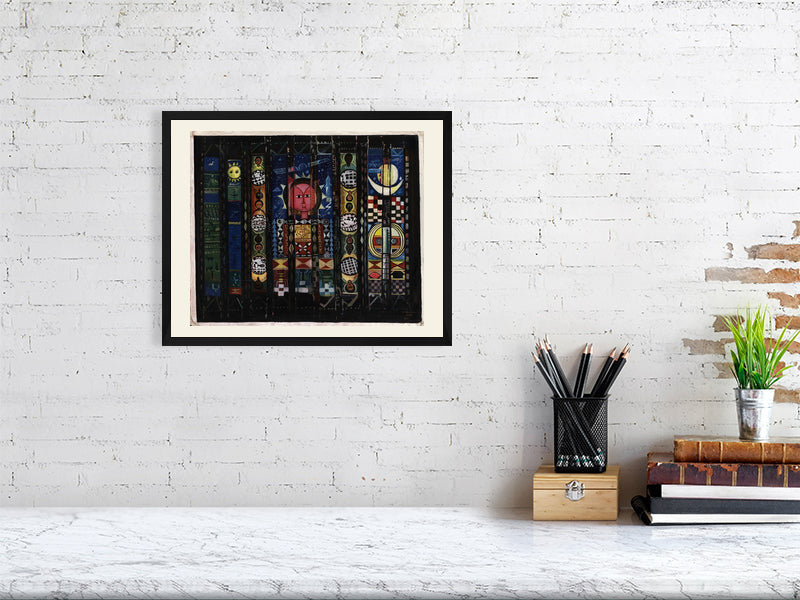


Diaspora Dreams
Abyssinia Spiritual
Abyssinia Spiritual
Couldn't load pickup availability
Experience the spiritual essence of Eritrea and Ethiopia through this captivating piece. Each brushstroke is a prayer, each color a symbol of faith. Let the beauty of the unknown guide you on your own spiritual journey.
Eritrean and Ethiopian Spirituality
Eritrea and Ethiopia, which share the historical region of Abyssinia, possess a long and profound spiritual history. This area is considered one of the oldest Christian regions in the world, with traditions rooted in the ancient Aksumite Kingdom, which adopted Christianity in the 4th century CE. The Eritrean Orthodox Tewahedo Church and the Ethiopian Orthodox Tewahedo Church (part of the Oriental Orthodox family of churches) play significant roles in defining the spiritual practices of the region.
The term Tewahedo in Ge'ez, the ancient liturgical language still in use, means "united as one," referring to the belief in the single, unified nature of Christ (Miaphysitism). This faith offers a unique blend of ancient traditions, including elements derived from the Old Testament, such as dietary laws and the observance of the Sabbath, alongside New Testament teachings. Understanding the spiritual foundations of Eritrea and Ethiopia provides deep insight into their remarkable history and culture.
Artistic Expressions of Faith
Art is deeply intertwined with spirituality in Eritrea and Ethiopia. Many artistic expressions, from icon paintings to religious manuscripts, reflect the region's devotion and unique artistic style. These works often feature vibrant colors and intricate designs that tell stories of saints, biblical events, and the Virgin Mary, so they serve as more than mere decorations—they are a form of theological instruction and a vehicle for seeking spiritual intercession.
The art not only preserves the spiritual narrative but also connects people to their cultural identity, showcasing the harmony between faith and creativity. Traditional art forms also include the elaborate hand-held and processional crosses and the magnificent rock-hewn churches of historical sites like Lalibela.
Spiritual Practices and Rituals
The spiritual practices in Eritrea and Ethiopia are diverse and rich, reflecting both deep-rooted Christian customs and indigenous cultural beliefs. Regular church services, communal fasting periods (often exceeding 180 days a year for the devout), colorful festivals, and ancient rituals play vital roles in the community.
For instance, the celebration of Timkat (Epiphany) is marked by joyful processions and reenactments of Jesus's baptism, where the Tabot (a replica of the Ark of the Covenant, central to every church's sanctuary) is carried out. Furthermore, spiritual life often incorporates beliefs in the supernatural, such as the buda (evil eye) and zar (spirit possession), with priests often performing traditional exorcisms. Therefore, the spiritual landscape of Eritrea and Ethiopia is not just about personal faith but also about community connection and cultural continuity, making it a vital aspect of life for its people.
Unique Spiritual Practices
Eritrean and Ethiopian spirituality is deeply rooted in ancient traditions and customs. Many people in these regions practice a blend of Christianity and indigenous beliefs, which creates a rich tapestry of spiritual life. For instance, the Ethiopian Orthodox Church plays a significant role, but there are also many rituals and beliefs that predate Christianity. Because of this unique combination, the spiritual practices reflect not only religious devotion but also community ties.
The Significance of Nature
In Eritrean and Ethiopian spirituality, nature holds great significance. Many local beliefs emphasize the sacredness of mountains, rivers, and animals, viewing them as manifestations of divine power. As a result, festivals often celebrate these elements of nature, bringing communities together. Moreover, the reverence for nature encourages a sense of responsibility toward environmental preservation, so people feel a connection to the earth as part of their spiritual journey.
Cultural Festivals and Celebrations
Cultural festivals play a vital role in Eritrean and Ethiopian spirituality, showcasing rich traditions through music, dance, and storytelling. Religious festivals such as Meskel and Timkat not only honor historical religious events but also reinforce the community bonds. These vibrant celebrations foster a sense of belonging and identity, highlighting the unique spiritual heritage of these nations. Therefore, engaging in such festivals is integral to the spiritual lives of many people in Eritrea and Ethiopia.
Spiritual Beliefs and Practices
Eritrean and Ethiopian spirituality is rich and diverse, encompassing a variety of beliefs and practices that reflect their unique cultural identities. Both societies primarily practice Christianity and Islam, which coexist harmoniously. The Ethiopian Orthodox Tewahedo Church plays a crucial role in shaping Ethiopian spiritual life, while Islam influences a significant portion of Eritrea’s population. These spiritual systems provide frameworks for understanding life, morality, and community.
Connection to the Ancestors and Nature
In addition to organized religion, both Eritrean and Ethiopian cultures place great emphasis on ancestral veneration and a deep connection to nature. Ancestors are believed to watch over and guide their descendants through life's challenges. Similarly, natural elements are revered, with practices that recognize the spiritual essence of the land and its resources. This connection fosters a sense of respect for the environment, encouraging sustainable practices and communal responsibility.
Festivals and Community Unity
Festivals play a vital role in expressing spirituality in Eritrean and Ethiopian cultures. Events such as Timkat (Epiphany) in Ethiopia are celebrated with vibrant processions and rituals, reinforcing community bonds. These gatherings not only celebrate faith but also serve as platforms for social unity and cultural identity. Because spirituality is intertwined with daily life, these festivals create opportunities for communal reflection, joy, and solidarity.
Understanding Eritrean Spirituality
Eritrean spirituality is deeply rooted in ancient traditions and often blends indigenous beliefs with Christian practices. Because of this integration, various ceremonies and festivals are celebrated, reflecting the community's vibrant culture. For example, the Eritrean Orthodox Church plays a central role in daily life, guiding spiritual observances and communal gatherings. As a result, these practices preserve historical narratives and foster a sense of belonging within the community.
The Role of Ethiopian Spirituality
Similarly, Ethiopian spirituality encompasses a rich tapestry of beliefs, heavily influenced by the Ethiopian Orthodox Tewahedo Church. It emphasizes the importance of rituals and divine connections through prayer, fasting, and charity. Notably, the celebration of Timkat, which commemorates the Epiphany, includes colorful processions and a profound sense of unity among participants. Thus, Ethiopian spirituality not only strengthens faith but also reinforces cultural identity.
Common Elements in Spiritual Practices
Both Eritrean and Ethiopian spiritualities share elements like ancestral veneration and a strong connection to nature. They often involve community rituals that promote solidarity and collective well-being. However, despite their similarities, each culture's practices are unique, reflecting local customs and history. Therefore, exploring these spiritual landscapes reveals how deeply intertwined faith and everyday life are in both Eritrea and Ethiopia.
Understanding the Foundations of Spirituality
Eritrean and Ethiopian spirituality is deeply rooted in cultural traditions and historical narratives. Both countries have rich histories shaped by various religious practices, including Christianity, Islam, and indigenous beliefs. Because their spiritual paths often intertwine, understanding these connections reveals a tapestry of diverse beliefs and values. For example, the Ethiopian Orthodox Church is one of the oldest Christian denominations in the world, reflecting centuries of spiritual development and significance in the region.
The Role of Community in Spiritual Practices
Community plays a crucial role in Eritrean and Ethiopian spirituality. Many religious events foster a strong sense of belonging and shared identity among people. Festivals and communal prayers help alleviate social tensions, unite families, and reinforce traditions. Moreover, these gatherings often feature colorful traditional attire and vibrant music, making them joyous celebrations that bring people together, deepening their spiritual connections through collective experiences.
Modern Spiritual Expressions and Challenges
While traditional practices are still prominent, modern influences are affecting spirituality in Eritrea and Ethiopia. Young people are increasingly exploring contemporary interpretations of spirituality, which has led to an interesting dynamic between old and new beliefs. However, these changes also present challenges, as communities wrestle with preserving their cultural heritage amid globalization. As a result, many are seeking ways to balance tradition with innovation, ensuring both continue to thrive in an ever-evolving world.
The Essence of Eritrean and Ethiopian Spirituality
Eritrean and Ethiopian spirituality is deeply rooted in the traditions and beliefs of their people. It encompasses a range of practices, rituals, and ceremonies that reflect their unique cultural heritage. Spirituality in both countries often blends ancient customs with religious beliefs. Because of this, the people connect deeply with their ancestors and the natural world around them, creating a spiritual landscape rich in meaning and significance.
Religious Practices and Beliefs
The dominant religions in Eritrea and Ethiopia are Christianity and Islam. However, indigenous beliefs still play an important role. For instance, the Ethiopian Orthodox Church has a profound influence on Ethiopian spirituality, celebrating numerous saints and festivals. In contrast, Eritrean spirituality includes Islamic practices and customs that are integral to daily life. Therefore, it is common to see a harmonious coexistence of these beliefs, allowing for a diverse spiritual experience.
The Role of Rituals and Community
Rituals in Eritrean and Ethiopian spirituality serve as essential expressions of faith and unity within communities. These rites often involve gatherings, prayers, and traditional dances that bring people together. Religious festivals highlight social ties and cultural identity, promoting a sense of belonging. So, whether through pilgrimage to sacred sites or community celebrations, spirituality acts as a unifying force, fostering connections among individuals and their cultural backgrounds.
Understanding Spiritual Beliefs
Eritrean and Ethiopian spirituality is deeply rooted in the traditions and cultures of these East African nations. Both societies primarily practice Christianity and Islam, yet their spirituality incorporates indigenous beliefs and rituals. This blend of faiths creates a vibrant tapestry of spiritual expressions. Many Eritreans and Ethiopians believe that spiritual forces influence daily life, as they seek guidance and protection from ancestral spirits. Therefore, spirituality serves as a core aspect of their identities.
Cultural Practices and Rituals
The cultural practices surrounding spirituality in Eritrea and Ethiopia are rich and diverse. Festivals play a significant role in uniting communities, where people gather to celebrate their beliefs through music, dance, and traditional food. For instance, the Ethiopian Orthodox celebration of Genna (Christmas) and Eritrean religious events foster a sense of belonging. These rituals are not just about worship; they create bonds between generations and promote cultural preservation, ensuring that these traditions are passed on.
The Impact of Spirituality on Society
Spirituality in Eritrea and Ethiopia profoundly impacts societal norms and values. It guides ethical behavior and community responsibilities, allowing individuals to connect with one another and their environment. For many, spirituality provides solace during hardships, as they turn to faith for strength. As a result, the teachings of compassion and unity that stem from spiritual practices create harmonious societies. This interconnection between spirituality and daily life highlights its essential role in shaping personal and collective identities.